Allegedly
al‧leg‧ed‧ly / əˈledʒədli, əˈledʒɪdli / adverb [ sentence adverb ] formal used when reporting something that people say is true, although it has not been proved : a sports car, allegedly stolen in Manchester
al‧leg‧ed‧ly / əˈledʒədli, əˈledʒɪdli / adverb [ sentence adverb ] formal used when reporting something that people say is true, although it has not been proved : a sports car, allegedly stolen in Manchester
de‧fect 1 / dɪˈfekt, ˈdiːfekt / noun [ countable ] a fault or a lack of something that means that something or someone is not perfect : All the cars are tested for defects before they leave the factory. a genetic defect COLLOCATIONS ADJECTIVES/NOUN + defect a serious defect The movie has a few serious …

coun‧ter‧in‧tel‧li‧gence / kaʊntərɪntelədʒ ə ns, kaʊntərɪntelɪdʒ ə ns / noun [ uncountable ]action that a country takes in order to stop other countries discovering its secrets
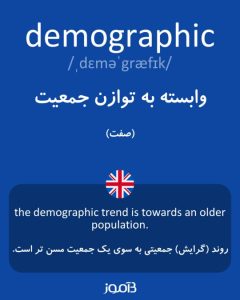
dem‧o‧graph‧ic / deməɡræfɪk◂ / noun1 demographics [ plural ] information about a group such as the people who live in a particular area :the demographics of a newspaper’s readership2 [ countable ] a part of the population that is considered as a group, especially by advertisers who want to sell things to that group :the …
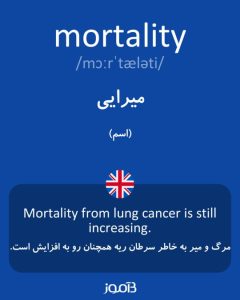
1 [ uncountable ] ( also morˈtality ˌrate / $ .’… / ) the number of deaths during a particular period of time among a particular type or group of people : Mortality from heart disease varies widely across the world. infant/child/maternal/adult mortality an appallingly high infant mortality rate (= number of babies who die …

Changes Over Time (Past → Present) The maps illustrate how [a place] has changed between [year] and [year].The provided maps depict the transformation of [a place] over the period from [year] to [year]. Before and After Development The maps compare the layout of [a place] before and after a period of development. The given maps …
1-Map Comparison 2-Past vs Present MapTenses : Past Simple + Present Perfect / Present Simple 3-Present vs Future Map Tenses : Past Simple + will be / is planned to / is expected to 4-Past vs PastTenses : past prefect +used to 6-Development Mapadded +demolished+ expanded +relocated7-Single Map Description 8-Three Maps (Past → Present → …

to officially arrange to join a school, university, or course, or to arrange for someone else to do thisenrol on/for British English :I decided to enrol for ‘Art for Beginners’.enrol in especially American English :Californians are rushing to enroll in special aerobics classes.
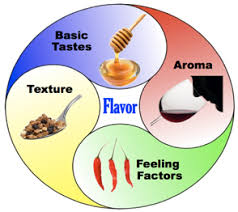
Tastes Savory describes food that is not sweet.It has a salty, rich, or meaty flavor.It’s the opposite of “sweet.”Examples of Savory Foodsgrilled chickensouppizzaroasted vegetablessandwiches Umami = savory + meaty + richThe 5th basic tasteFound in mushrooms, soy sauce, tomatoes, cheese, meat, broth Texture Aroma Appearance Nutrition Freshness Portion Size Cost Ingredients Cooking Method boiled grilled …
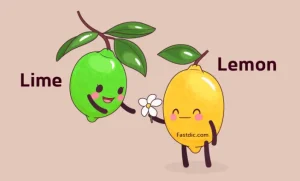
Lemon = yellow + mild sour + biggerLime = green + strong sour + smaller